
Sexual Assault and the Nervous System

The Shame Survivors Carry
As a clinician specializing in sex therapy and trauma therapy, I work with many survivors of sexual assault. One of the most common and painful themes I see in my practice is the deep shame survivors carry around their survival responses. Because we live in a deeply victim-blaming culture, survivors are constantly exposed to messages that suggest they should have fought harder, screamed louder, left sooner, or somehow prevented what happened.
What the Research Shows
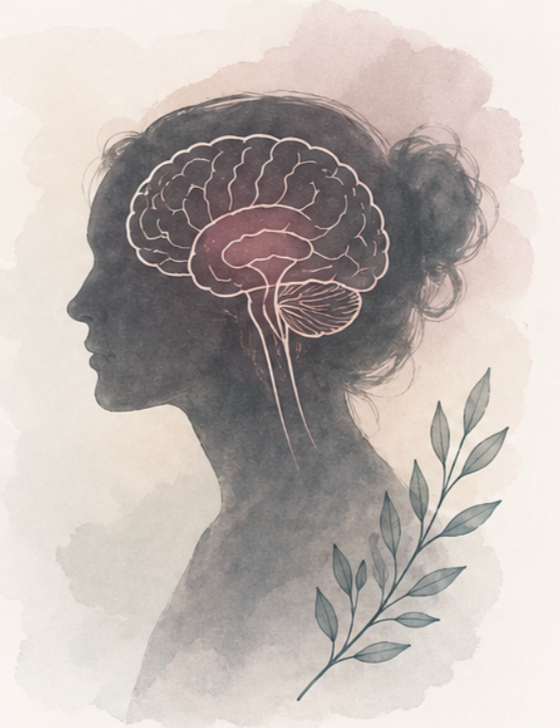
What I see in my practice—and what research strongly supports—is that the vast majority of sexual assault survivors tend toward freeze or what many people refer to as “fawn,” meaning pleasing, placating, or complying in an effort to reduce danger, rather than the more socially accepted ideas of fight or flight.
One of the most widely cited studies on this topic, conducted by Möller, Söndergaard, and Helström (2017), examined rape survivors’ experiences of tonic immobility, often referred to as the freeze response or “rape paralysis.”
They found that 70% of survivors reported significant tonic immobility and 48% reported extreme tonic immobility during the assault.
Nearly half of survivors experienced profound physical paralysis—an involuntary inability to move, speak, resist, or call for help. This is not a choice, weakness, or consent. It is the nervous system’s automatic survival response.
You Do Not Choose Your Survival Response
One of the most important things I want survivors—and the people who love them—to understand—is that you do not get to choose your survival response.

Within seconds of the brain detecting danger, the prefrontal cortex—the part responsible for logic, planning, reasoning, and decision-making—goes offline. This means a person is no longer calmly evaluating options or consciously deciding how to respond.
The survival brain takes over.
The nervous system rapidly asks one question: what gives me the best chance of surviving this?
It is not thinking about what will look best later, what will make other people believe them, or what response will be most socially acceptable. It is simply trying to stay alive.
If the brain does not immediately detect a safe escape route—which is very often the case in sexual assault—it frequently defaults to freeze or fawn. This can look like paralysis, silence, numbness, dissociation, confusion, or compliance.
This is beyond conscious control. It is the brain doing exactly what it is designed to do in the face of overwhelming threat.
Freeze and Fawn Are Valid Survival Responses
It is also critical to understand that freeze and fawn are just as valid and important as fight or flight.
We tend to glorify fight and flight because they feel active, strong, and easier for society to understand.

But freeze and fawn serve essential protective purposes. They may reduce the likelihood of escalation, help disarm the perpetrator, increase the chances of physical survival, reduce further violence, or create psychological distance from the event through dissociation, making the trauma feel less immediately overwhelming.
We Already Understand This in Other Situations
Society already understands this logic in other forms of violence.
When someone is being robbed, we tell them to hand over their wallet, not fight back, and give the perpetrator what they want. We call that smart. We call that survival.

We understand that escalating danger can get someone killed.
Yet when it comes to sexual assault, people suddenly question why someone complied, froze, or tried to keep the perpetrator calm.
Complying during sexual violence is often the exact same instinctual survival strategy. The body is trying to get out alive.
That should not be controversial.
We Need to Stop Victim Blaming
We need to stop asking survivors why they froze.
We need to stop confusing compliance with permission.
We need to stop treating survival responses as evidence against harm.
Most importantly, we need to stop placing responsibility on victims instead of perpetrators.
The only reason sexual assault happens is because there is a perpetrator present—not because someone froze, complied, did not scream, or was trying to stay alive.
Reference
Möller, A., Söndergaard, H. P., & Helström, L. (2017). Tonic immobility during sexual assault – a common reaction predicting post-traumatic stress disorder and severe depression. Acta Obstetricia et Gynecologica Scandinavica.


Comments